Chairman’s Message
Welcome, and thank you for visiting the website of the Participatory Rural Development Society (PRDS).
When we formally registered PRDS in 2008, our aim was simple but urgent: to serve people with dignity, and to reduce poverty and inequality in communities that have long been overlooked. Since then, we’ve remained committed to that mission, building PRDS into a national organization that works across Pakistan including some of the most remote and vulnerable areas without compromising our core values of respect, inclusion, and social justice.
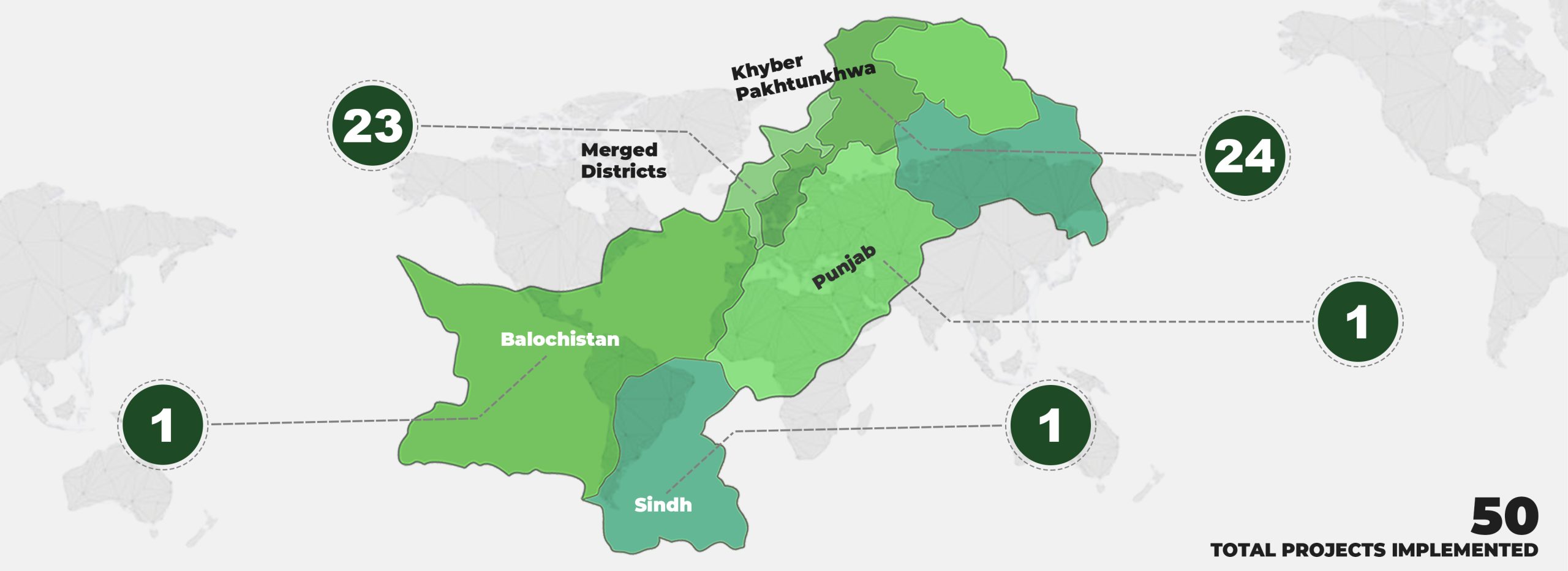
Over the years, PRDS has directly supported over 1.5 million individuals through 61 humanitarian and development projects. Our programs have evolved to address a wide range of needs from clean water and sanitation to education, shelter, protection, livelihoods, and more. We work with Afghan refugees, underserved rural populations, and communities in fragile urban settlements. Through participatory planning, local governance structures, and community-based solutions, we’ve been able to deliver practical, lasting change.
Our work would not have been possible without the partnerships and trust we’ve built whether with community organizations, government institutions, or international donors like UNHCR, UNDP, UNICEF, Concern Worldwide, KNH, Oxfam, VSO, IOM, CESVI, Care International, UN-Women, START Network and British Council, among others. These collaborations, along with our Special Consultative Status with ECOSOC and authorization from the Economic Affairs Division (EAD) and the Commissionerate of Afghan Refugees (CAR), allow us to operate across Pakistan with both legitimacy and accountability.
At PRDS, we believe development should not be something done to communities but built with them. That’s why we’ve helped form and strengthen over 1,180 community-based organizations, empowering more than 1.5 million people to take part in decision-making, service delivery, and local development.
As we look ahead, our focus remains on expanding equitable access to essential services, strengthening resilience to disasters and displacement, and advancing evidence-based programming rooted in the voices of those we serve.
On behalf of our entire team, I thank all our partners, supporters, and communities who continue to walk this journey with us. Whether you are a visitor, donor, policymaker, or someone looking to make a difference your support strengthens our resolve.
Together, we can move closer to a self-sustaining, just, and peaceful society.
Warm regards,
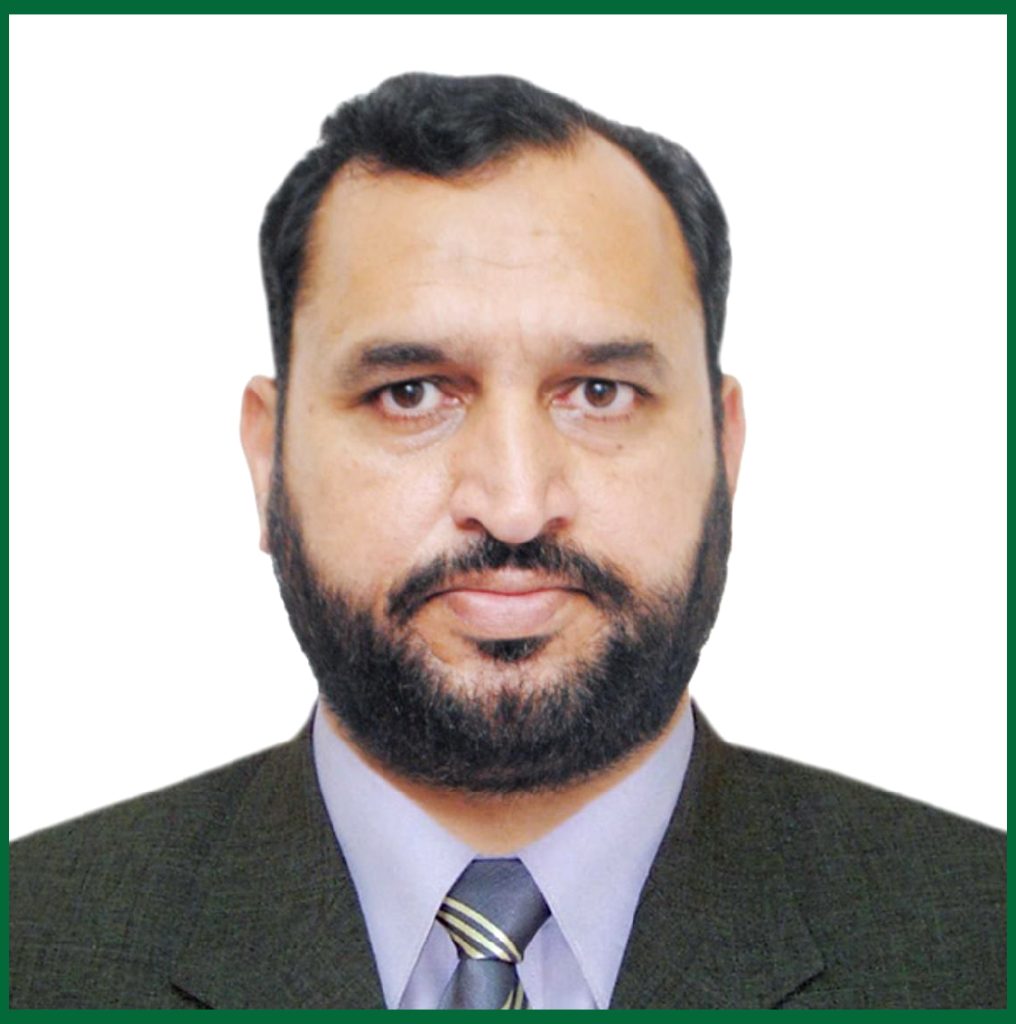
Fareed Ullah
Chairman
Participatory Rural Development Society (PRDS)
Beneficiaries
Men
Women
Childrens